- Aircraft
- Helicopters
- Multicopters
- Cars
- Boats
- Tanks
- Other models
- RC sets
- Receivers
- Servos
- Stabilisation and gyros
- RC simulators
- Engines
- Motors
- ESCs
- Batteries
- Charging
- Connectors and cables
- Measuring devices
- Aircraft accessories
- Helicopter accessories
- Car accessories
- Boat accessories
- Fuels, oils, lubricants
- Modeling chemicals
- Construction materials
- Fixings
- Tools and jigs
- Transport covers
- Discontinued models
- Promotion
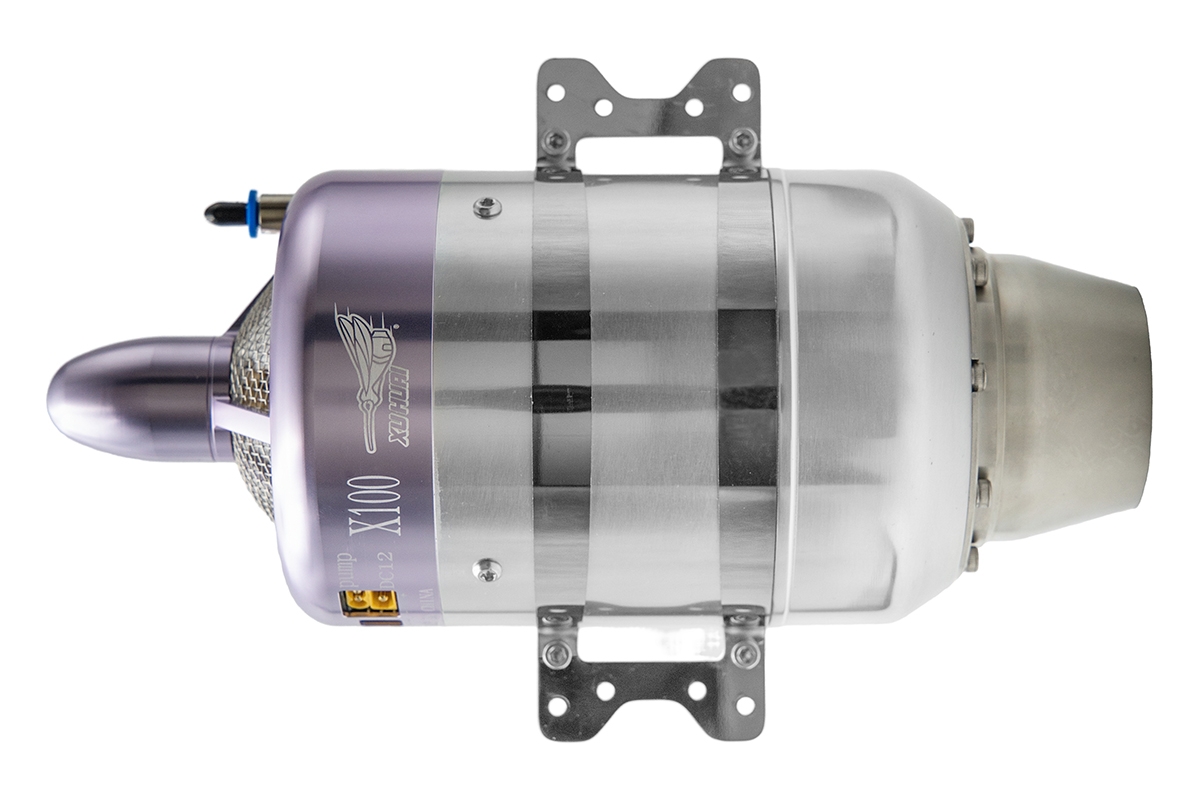
XuHuai X100
 Not on stock
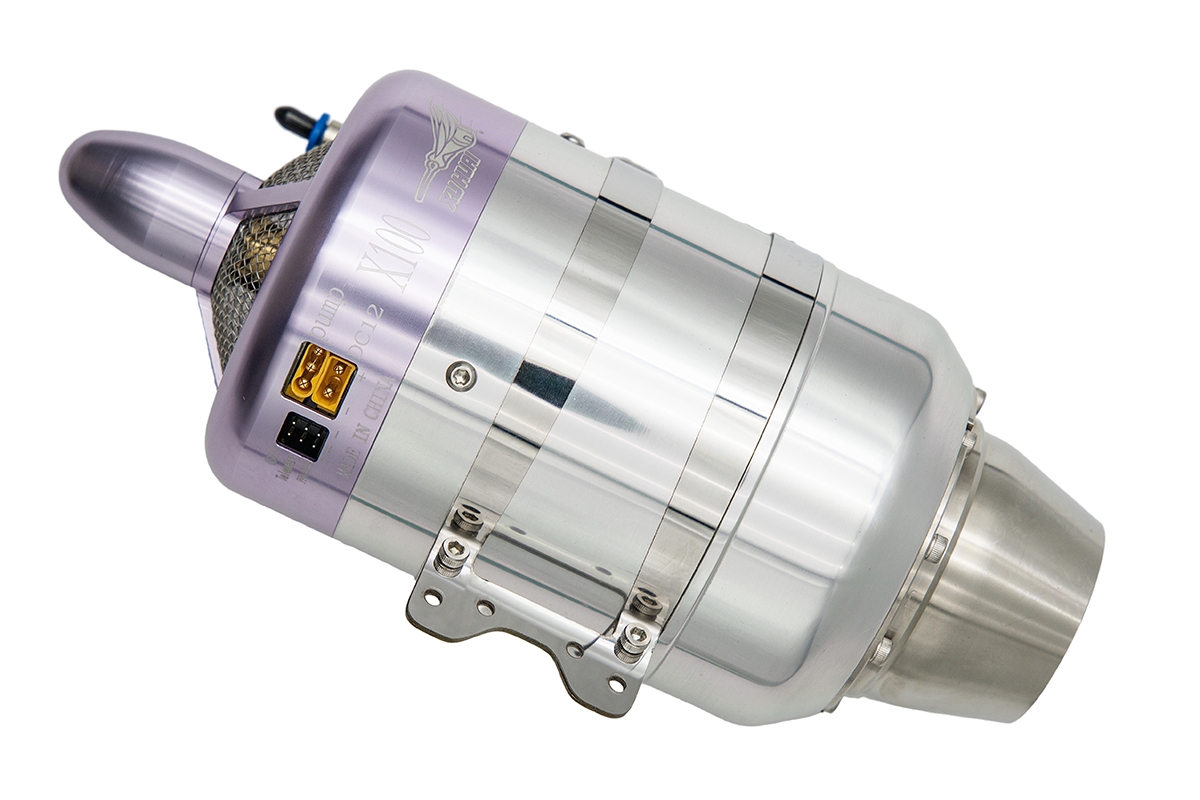
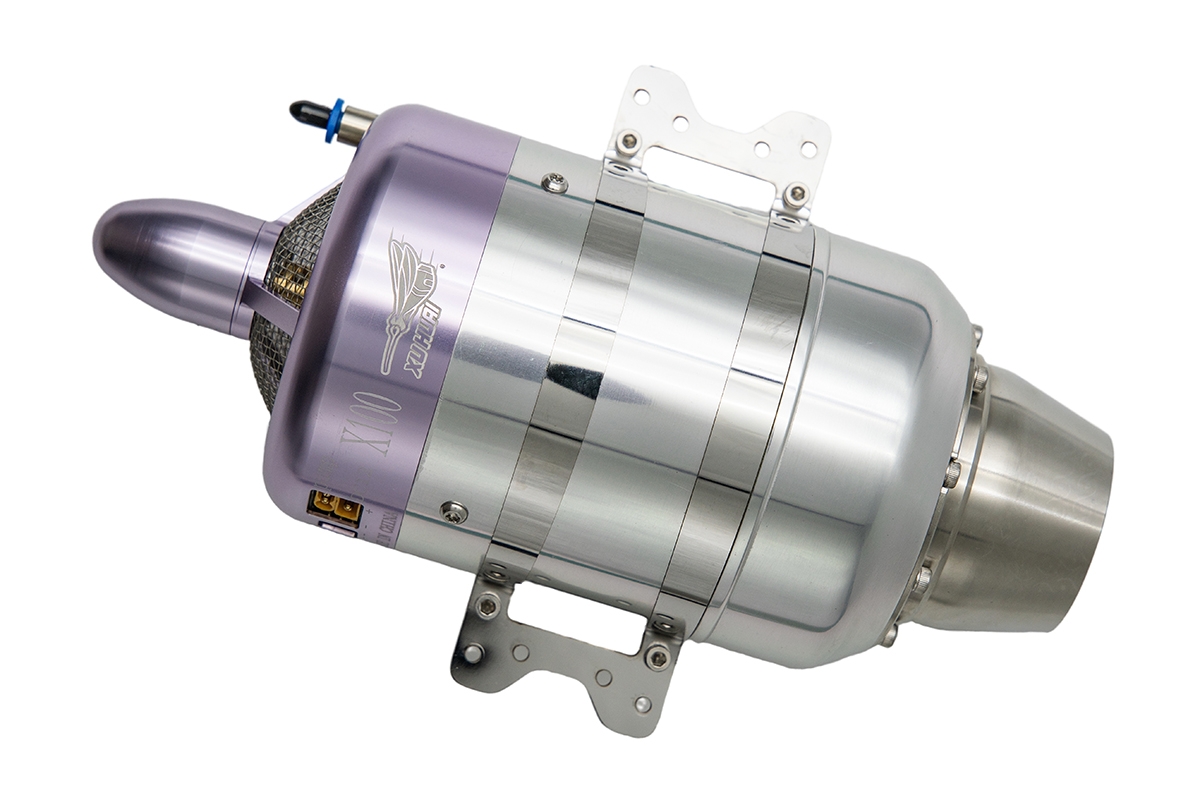
XuHuai X100 micro turbojet engine
Bring the sound and character of turbine flight to your next RC jet. The XuHuai X100 combines a maximum thrust of 100 N with a body just 90 mm in diameter and 213 mm long. Part of XuHuai’s XH series, it brings together an integrated digital engine controller, brushless starting and a matched fuel pump in a propulsion system for experienced turbine modellers. Its net engine weight is 1020 g, giving you a clear starting point when planning the installation and aircraft balance.
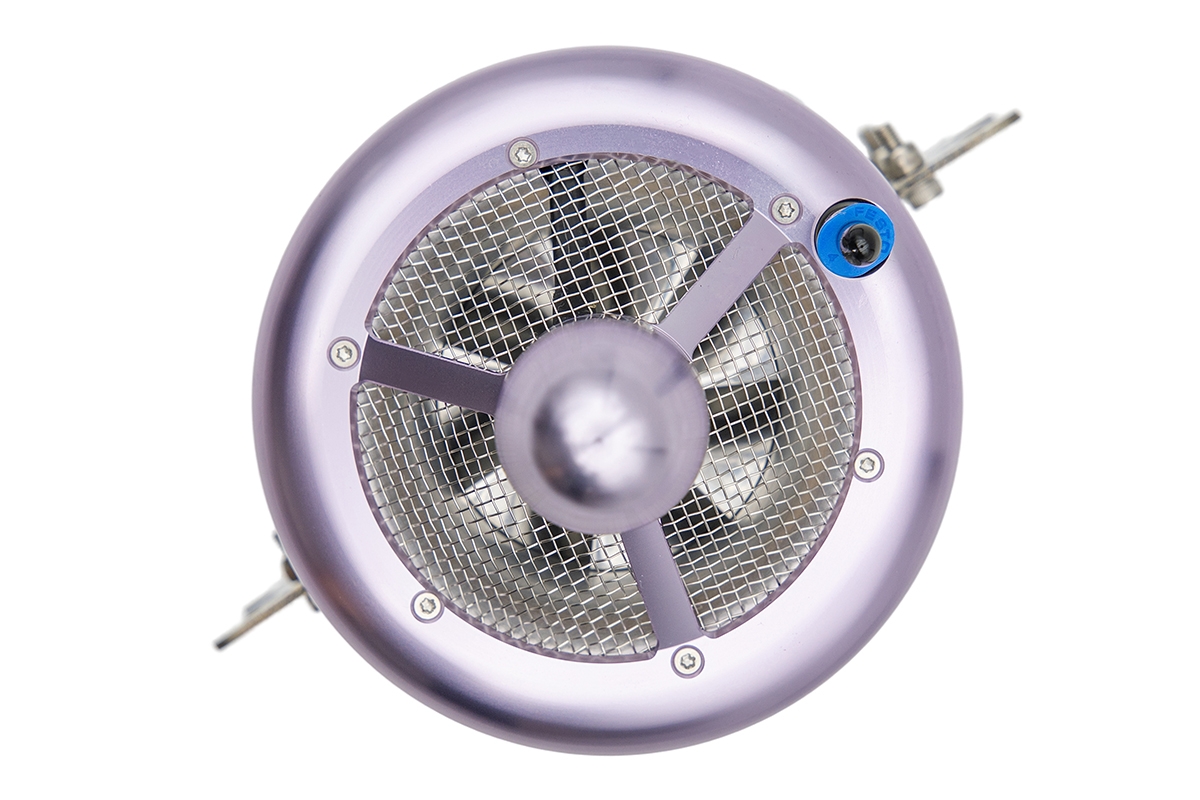
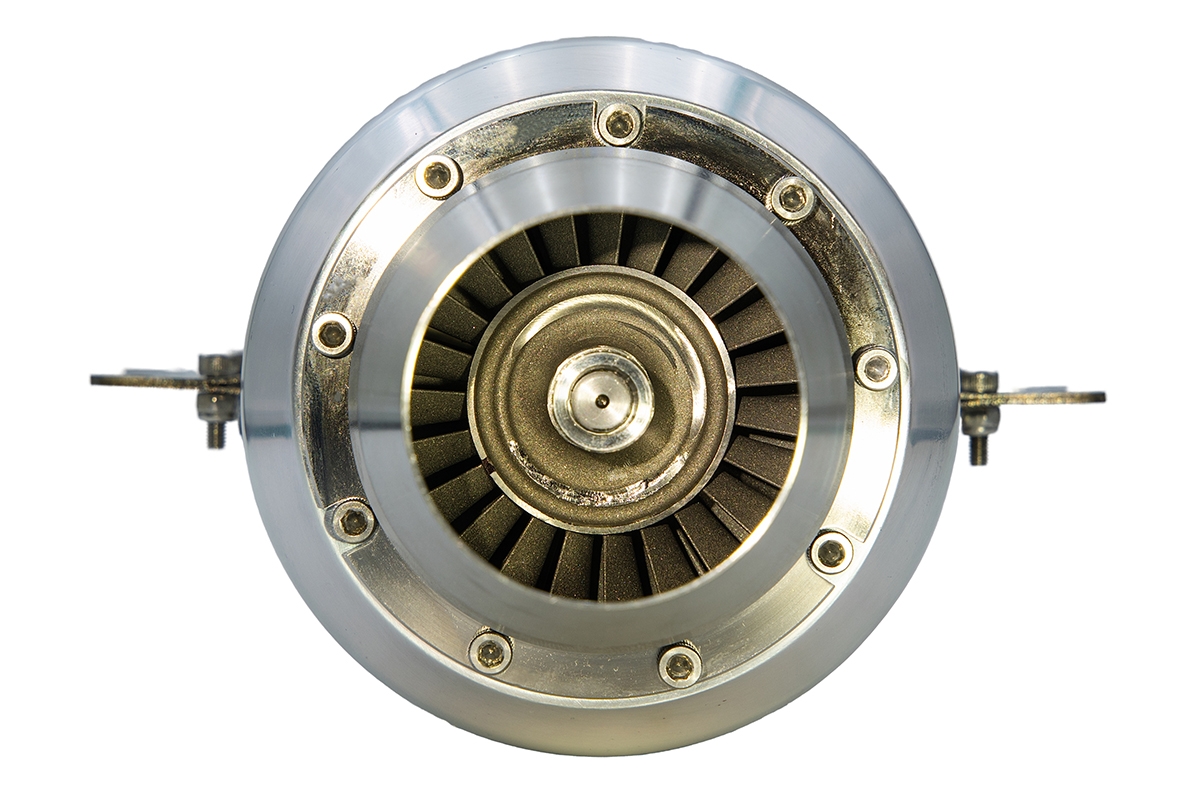
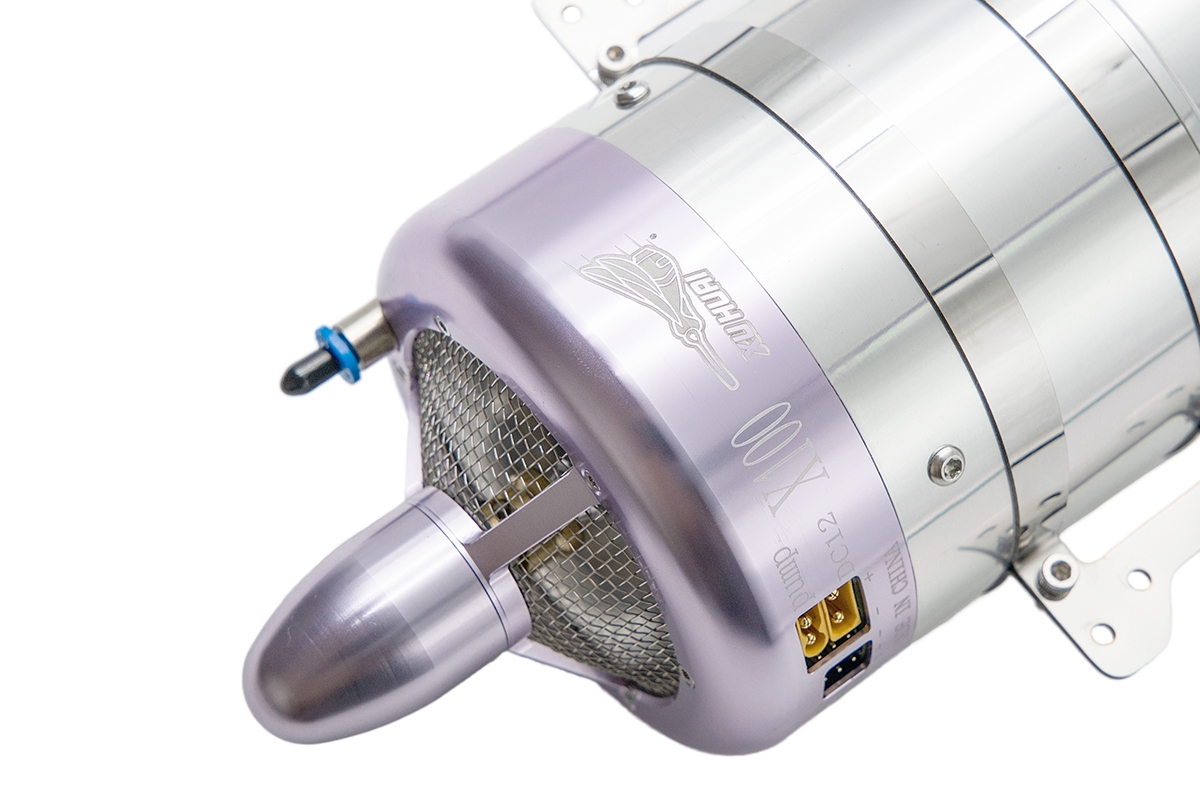
At the heart of the engine are a single-stage centrifugal compressor and a single-stage turbine. The rotor runs in two ceramic bearings lubricated by oil mixed with the fuel. A ceramic igniter lights the liquid fuel directly, while the front-mounted brushless starter drives the rotor through a clutch that disengages once the engine reaches self-sustaining speed. A fitted FOD screen helps keep foreign objects out of the intake.
The built-in FADEC electronic control unit manages starting, running and the cooling cycle after shutdown. Fuel is delivered by an external, electronically controlled brushless gear pump matched to the engine model. The handheld Ground Support Unit (GSU) provides access to setup, engine speed, temperature and operating information. It can be removed for flight using the approved connection arrangement; engine control remains on board.
Key features
- Maximum thrust of 100 N; idle thrust of 5 N.
- Integrated FADEC ECU with automatic starting and shutdown cooling sequences.
- Brushless starter, ceramic igniter and two ceramic rotor bearings.
- Dedicated brushless gear fuel pump and handheld GSU included.
- Intake FOD protection screen supplied.
- Operation on Jet A-1 aviation turbine fuel or diesel with the specified lubricating oil.
Technical specifications
- Maximum thrust: 100 N
- Idle thrust: 5 N
- Diameter: Ø90 mm
- Overall length: 213 mm
- Net engine weight: 1020 g
- Idle speed: 50 000 rpm
- Rated maximum speed: 160 000 rpm
- Approximate fuel consumption: 350 g/min; operating point not specified
- Engine battery: 3S LiPo, 11.1 V nominal, 2200 mAh, at least 25C; maximum supply voltage 12.6 V
- Receiver supply: Independent 2S LiPo, 7.4 V nominal; connected equipment must support the actual supply voltage
- Recommended service interval: 25 operating hours
Performance figures refer to standard atmospheric pressure and an ambient temperature of 15 °C. Net engine weight is not the weight of the complete installed system. Fuel consumption is specified by mass, in g/min; it must not be read as ml/min. The approximate X100 consumption figure has no specified operating point and is not a guaranteed full-throttle value.
Fuel and lubrication
Jet A-1 is the preferred fuel. Diesel is also permitted, although starting and acceleration can be slower and exhaust smoke more pronounced. Use Mobil Jet Oil II at 5 % of the fuel quantity, not 5 % of the final mixture. Confirm the mass/volume measuring method with the supplier before preparing fuel. The bearings depend on this lubricant; never run the engine on fuel without oil.
Set contents
XuHuai X100 engine with FOD screen, matched brushless fuel pump, handheld GSU, main wiring harness, fuel-pump wiring harness, Festo fuel filter, fuel tubing, ball valve and instruction documentation.
You will also need
- A suitable turbine aircraft or secure test stand, compatible mounting and any required intake or tailpipe components.
- A suitable fuel tank, venting and filling equipment, approved fuel and oil, and an air-trap tank where required by the installation.
- The specified engine and independent receiver batteries, compatible charging equipment and an RC system with a latching throttle-cut control and configurable failsafe.
- A CO₂ extinguisher of at least 2 kg, eye and hearing protection, and suitable fuel-handling equipment.
Before the maiden flight
- Complete the installation using the full manual and the instructions for your airframe; resolve any unclear connections or tailpipe measurements before running.
- Check the fuel system and independent power supplies, then configure throttle calibration, throttle cut and failsafe for the fitted equipment.
- Carry out supervised commissioning and a restrained ground check, including the shutdown and cooling sequence, before flight.
Important: For unmanned RC models operated by suitably experienced users. Automatic control does not replace supervision. Do not rely on automatic overtemperature shutdown or an airborne restart to recover from a fault.
Online manual: wiki.kavanrc.com


